Regarding the Invitation of the Taliban to Europe and the Forced Return of Afghan Refugees
25 June 2026
The Afghanistan Peace International Studies Association (APISA), a nonprofit organization registered in the United States, expresses its deep concern and strong objection to the reported invitation of representatives of the Taliban to official meetings in Europe while thousands of Afghan refugees continue to face uncertainty, deportation, and the threat of forced return.
This approach raises serious legal, ethical, and humanitarian concerns.
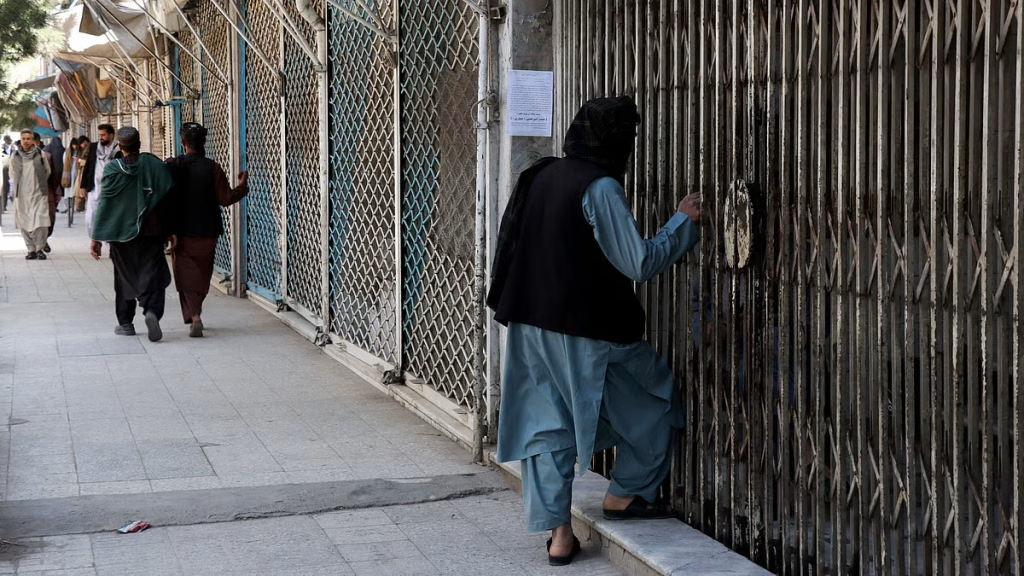
The Taliban remain an unrecognized and illegitimate de facto authority that has systematically dismantled the fundamental rights and freedoms of the Afghan people. Since August 2021, they have committed widespread and systematic human rights violations, including:
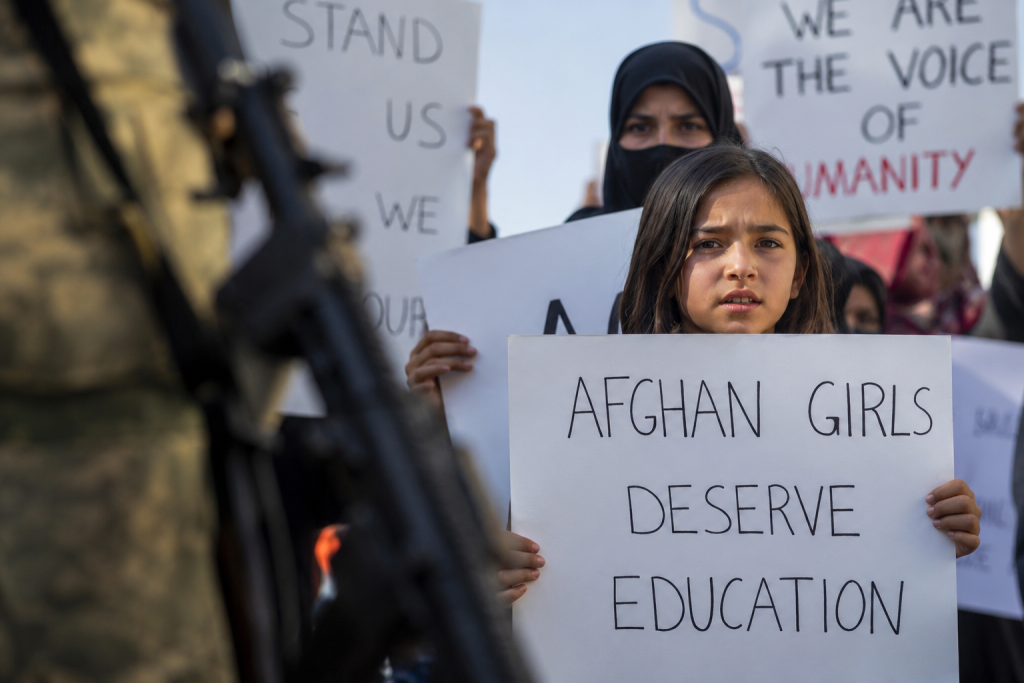
- Denying girls and women access to education.
- Banning women from employment in many sectors.
- Imposing severe restrictions on women’s freedom of movement.
- Arbitrary arrests and detention of women and girls under the pretext of enforcing dress codes.
- Suppressing freedom of expression, peaceful assembly, and independent media.
- Persecuting journalists, academics, human rights defenders, and civil society activists.
- Systematic discrimination against ethnic and religious minorities.
- Restricting freedom of religion or belief and imposing coercive measures on religious minorities.
- Policies facilitating child marriage and undermining the protection and dignity of girls.
- Arbitrary detention, enforced disappearances, torture, and other grave violations of fundamental human rights.
Furthermore, senior Taliban leaders remain the subject of proceedings before the International Criminal Court (ICC) in connection with allegations of crimes against humanity. This ongoing judicial process underscores the seriousness of the accusations and the continuing international concern regarding accountability.
At a time when some governments are discussing the return of Afghan refugees, APISA emphasizes that safe, voluntary, dignified, and sustainable return is only possible when Afghanistan is governed by a legitimate authority capable of guaranteeing security, justice, human rights, and the rule of law.
Negotiating with an unrecognized authority that continues to commit widespread human rights violations cannot provide credible guarantees for the safety and protection of returnees.
Returning refugees under such circumstances creates a serious risk of arbitrary treatment, discrimination, persecution, and systemic abuse. It also exposes returnees to potential injustice resulting from the absence of independent institutions capable of protecting their fundamental rights.
Forced return in these circumstances is inconsistent with international refugee law, particularly the principle of non-refoulement, which prohibits returning individuals to territories where they face a real risk of persecution, torture, or other serious human rights violations.
Even where governments seek to deport individuals convicted of serious crimes, transferring them to the control of authorities accused of crimes against humanity cannot be regarded as a humane or legally justifiable solution. Entrusting individuals to the custody of those facing such grave allegations raises profound legal, ethical, and humanitarian concerns.
APISA respectfully calls upon the European Union, the European Commission, the European Parliament, the European External Action Service (EEAS), the United Nations, the Office of the United Nations High Commissioner for Human Rights (OHCHR), the United Nations High Commissioner for Refugees (UNHCR), and all other relevant international institutions to:
- Refrain from actions that could contribute to the political legitimization of the Taliban.
- Ensure that any engagement with Afghanistan remains firmly conditioned on measurable improvements in human rights.
- Uphold international refugee law and refrain from policies leading to the forced return of Afghan refugees.
- Continue supporting Afghan women, girls, civil society organizations, journalists, academics, and human rights defenders.
- Support international accountability mechanisms for serious human rights violations and crimes under international law.
The people of Afghanistan deserve peace, justice, dignity, freedom, and the protection of their fundamental human rights—not policies that risk legitimizing oppression or exposing vulnerable people to further persecution.